Roof Insulation: Types, Techniques, and What to Watch For

Here is the essential information you need to know about techniques, materials, and benefits, along with the small and large details of this crucial structural intervention. Roof insulation blocks moisture and high external temperatures, ensuring a better quality of life indoors.
Roof insulation is one of the most fundamental interventions for the protection and proper function of a building or residence. It applies to apartment blocks, duplexes, or smaller developments and is truly life-saving for structures built in past decades—which are, after all, the ones facing the most significant issues.
Essentially, it is a process of applying specialized materials to the roof surface to shield it against moisture, temperature fluctuations, and damage caused by weather conditions (e.g., rain, storms, etc.).
The benefits are numerous and indisputable. Proper insulation ensures both the energy efficiency of the building and the long-term durability of the structure. Living conditions improve, and the indoor climate becomes drier and more pleasant.
In the text below, we will explore, among other things, what roof insulation entails, the primary methods, the materials used, and how they work together.
Roof Waterproofing
There are two main types of roof insulation: waterproofing and thermal insulation. While not always mandatory to do both, in practice, these two tasks are usually combined and function best when applied together.
Starting with roof waterproofing (also known as sealing), this is an intervention aimed at completely protecting the home from water accumulation and penetration.
It involves a set of techniques and materials that create a waterproof barrier on the roof surface, preventing rain, humidity, and standing water from entering the building's structure (specifically the reinforcement). This is typically achieved using special membranes, bituminous materials, or liquid waterproofing coatings that form a protective layer over the existing substrate.
This prevents leaks, damage to structural elements, and, of course, moisture and mold problems that can affect both the stability and durability of the building over time.
Roof Thermal Insulation
Roof insulation is not limited to waterproofing; it also refers to thermal insulation - the application of specialized materials that restrict heat transfer between the interior space and the external environment.
In other words, it acts as a protective layer that helps maintain the temperature inside the house, reducing heat loss in winter and overheating during summer months. Through this process, the building's energy efficiency is significantly improved, while more stable and comfortable living conditions are created indoors.
Roof Insulation Techniques
In practice, roof insulation can be applied in different ways depending on the type of construction, the use of the roof, and the building's needs - which are obviously related to its geographical zone, orientation, etc.
The most common methods are Conventional Insulation and Inverted Insulation, two approaches that differ mainly in the arrangement of the material layers.
In Conventional Insulation the thermal insulation material is placed on top of the concrete roof slab and underneath the waterproofing layer, which acts as the external protective barrier against moisture and weather.
In inverted Insulation the order is reversed. The waterproofing is placed directly on the roof slab, and the thermal insulation material is placed above it. This offers extra protection to the waterproofing layer from mechanical stress and extreme temperature changes.
Each technique has its own advantages and is chosen based on project requirements. For example, if the roof needs to be accessible/walkable, Inverted Insulation is often preferred as it is more resistant to mechanical pressure.
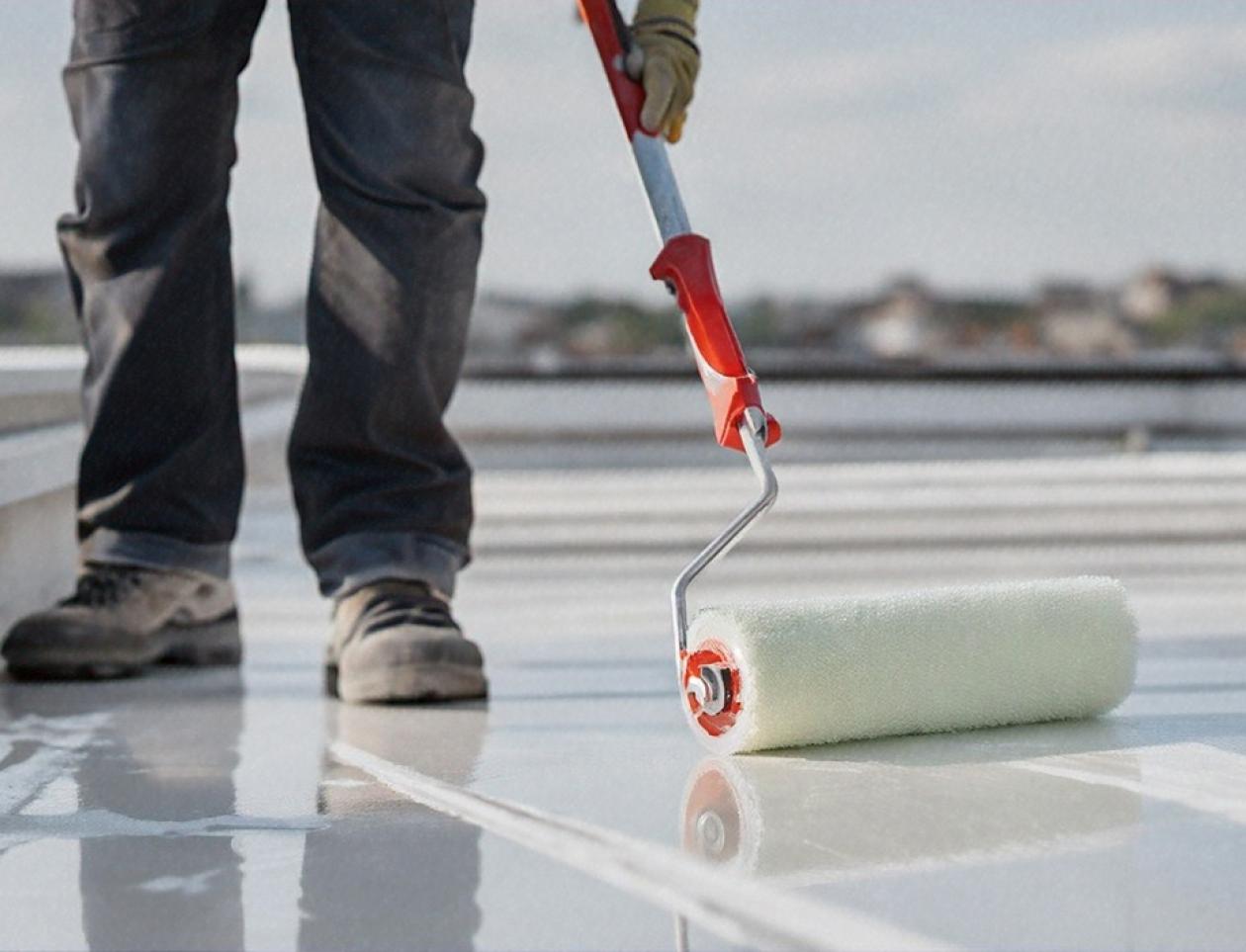
Another technique frequently applied in Greece is lightweight roof insulation. This is an excellent solution chosen primarily when there is a need to limit the additional weight added to the structure.
This approach utilizes lightweight insulating materials and dry construction systems placed on the slab without significantly burdening the structural element. It typically includes thermal insulation polystyrene boards, protective membranes, and lightweight coatings combined to provide both thermal protection and waterproofing.
This solution is particularly favored for existing buildings or renovations where structural strength and ease of application are primary concerns. Additionally, it is considered the most cost-effective solution.
The ClimaRoof® system by BIOCLIMA® is a comprehensive, patented lightweight thermal and moisture insulation system for roofs, available in two variants to meet different needs. It consists of sequences of thermal insulation, bonding, and waterproofing layers applied in stages, offering proven hygro-thermal shielding with the minimum possible load burden on the construction
Materials for Roof Insulation
Roof insulation processes involve a set of liquid-applied or installed materials that work together to create a complete system. The basic materials found in most applications are:
Waterproofing Membranes
- The core layer of protection against moisture. These can be bituminous membranes (tar paper) or liquid-applied elastomer/polymer-based membranes that create a seamless waterproof film.
Impregnation primers
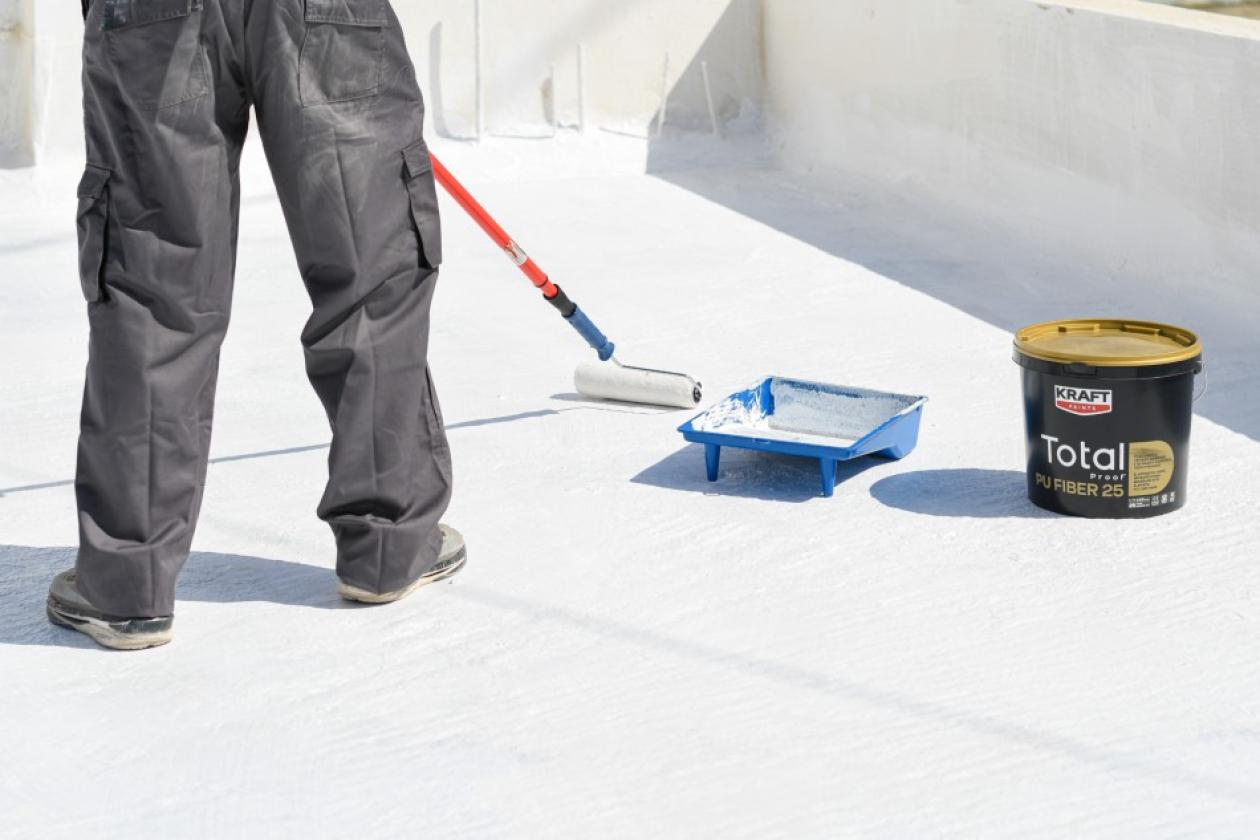
Applied before the main waterproofing layer, the primer acts as an intermediate material that improves the adhesion of subsequent layers to the substrate, helping to stabilize the surface. This is absolutely essential.
Thermal Insulation Boards
The primary means of thermal insulation, usually made of extruded (XPS) or expanded (EPS) polystyrene, or even rock wool for larger applications.
Fiberglass or Reinforcement Meshes
Sheets of glass fibers used as reinforcement within the waterproofing layers to increase the system's mechanical strength and prevent cracking.
Bituminous, Cementitious, or Polyurethane Materials
Applied in liquid form; once cured, they create an elastic and durable waterproofing layer. These can be acrylic or even hybrid materials.
Reflective or Protective Coatings
In many cases, a final reflective layer (e.g., aluminum) is added to protect the insulation from solar radiation and help reduce the surface temperature of the roof.
The combination of these materials creates a multi-layered system that ensures watertightness, thermal protection, and long-term durability. Every system has a lifespan, which is why it is important to choose long-lasting solutions in consultation with engineers and professional installers. They will ensure proper design so that water does not stagnate and drains easily through the outflow pipes with the correct slope.
In the waterproofing materials section of KRAFT PAINTS, you can view some core products to better understand their use. Remember to trust only the best!